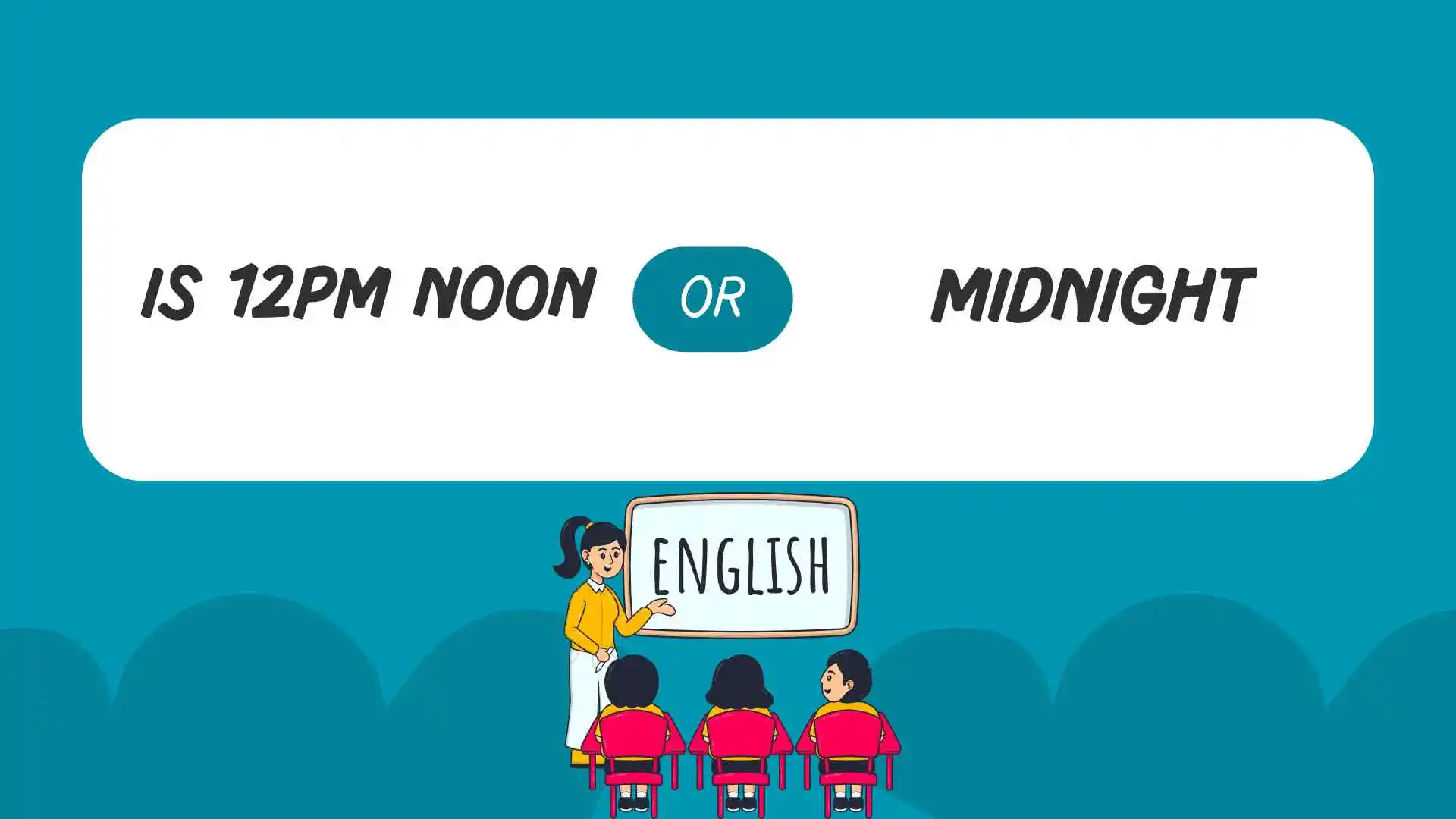
Is 12PM noon or midnight? This question confuses millions of people because the terms 12AM and 12PM can feel backward at first. The short answer is simple: 12PM is noon, and 12AM is midnight.
However, many people still mix them up when setting alarms, booking flights, scheduling meetings, or writing formal documents.
In this guide, you’ll learn the exact meaning of 12PM and 12AM, why people confuse them, easy memory tricks, common mistakes, and examples that make everything crystal clear.
Which One Is Correct – Is 12PM Noon or Midnight?
The correct answer is:
- 12PM = Noon
- 12AM = Midnight
So if someone says “12PM lunch meeting,” they mean midday, not nighttime.
Why Is 12PM Noon?
The term PM comes from the Latin phrase post meridiem, which means “after midday.”
Noon marks the point when the day changes from AM to PM. Therefore, 12PM represents midday or noon.
Why Is 12AM Midnight?
The term AM comes from ante meridiem, meaning “before midday.”
Midnight begins a new day, so 12AM is used for midnight.
Although this system is common worldwide, many people still find it confusing because noon and midnight sit right between AM and PM.
Meaning of “12PM”
Definition of 12PM
12PM means noon or midday.
It is the middle of the day when the sun is usually highest in the sky.
Simple Explanation
- 12PM happens during the daytime.
- It comes after 11:59AM.
- It is followed by 12:01PM.
Example Sentences
- My lunch break starts at 12PM.
- The meeting is scheduled for 12PM sharp.
- School ends at 12PM on Fridays.
- We reached the restaurant around 12PM.
- The online sale begins at 12PM tomorrow.
Meaning of “12AM”
Definition of 12AM
12AM means midnight.
It marks the beginning of a new day.
When Is It Used?
12AM is commonly used for:
- Midnight movie releases
- Hotel check-in times
- Flight schedules
- Digital clocks
- New day transitions
Example Sentences
- The event starts at 12AM tonight.
- My phone updated at 12AM.
- The deadline ends at 12AM Monday.
- We stayed awake until 12AM.
- The train leaves exactly at 12AM.
Why Do People Confuse 12PM and 12AM?
Many people struggle with these terms because the 12-hour clock system is not perfectly logical.
Here are the main reasons for the confusion.
1. The Number 12 Feels Like a Starting Point
Most people think of 12 as the end of something, not the beginning.
That makes it hard to understand why:
- 12AM starts a new day
- 12PM marks midday
2. AM and PM Sound Similar
The abbreviations are short and easy to mix up, especially when reading quickly.
3. Digital Devices Create Mistakes
Phones, calendars, and alarm clocks often show only numbers, so people accidentally set the wrong time.
4. Midnight and Noon Are Special Times
Unlike other hours, noon and midnight sit directly between AM and PM.
That creates uncertainty.
5. Typing and Scheduling Errors
People often write:
- “12 in the morning”
- “12 tonight”
- “12 noon”
- “12 midnight”
without specifying AM or PM clearly.
Just “12” – Is It Correct?
Simply writing “12” is usually not clear enough.
For example:
- “Meet me at 12.”
- “The class starts at 12.”
These sentences can confuse readers because they do not explain whether the time is daytime or nighttime.
Better Alternatives
Instead of writing only “12,” use:
- 12PM
- 12 noon
- 12AM
- 12 midnight
This removes confusion completely.
Is “12 Noon” Correct?
Yes.
“12 noon” is commonly used to make the meaning extra clear.
Is “12 Midnight” Correct?
Yes.
This phrase helps avoid confusion with 12PM.
Easy Trick to Remember the Difference
Here is a simple memory trick:
Think of Lunch
People usually eat lunch around noon.
Lunch happens during the day, so:
- 12PM = Noon
Think of Sleeping
Most people sleep at night.
Nighttime begins at midnight, so:
- 12AM = Midnight
Another Easy Memory Tip
- AM = After Midnight
- PM = Past Midday
This small trick helps many people remember the difference instantly.
Related Time Phrases with “12PM” and “12AM”
Understanding related phrases can help you avoid mistakes in daily conversations.
At Noon
This means exactly 12PM.
Examples
- The ceremony begins at noon.
- We arrived at noon for lunch.
At Midnight
This means exactly 12AM.
Examples
- Fireworks started at midnight.
- The store closed at midnight.
Midday
Midday is another word for noon.
Examples
- The weather is hottest around midday.
- We stopped working at midday.
Late Night
Late night usually refers to the hours before midnight.
Examples
- I studied late into the night.
- They watched movies until midnight.
12-Hour Clock vs 24-Hour Clock
Another reason people get confused is the difference between clock systems.
12-Hour Clock
Uses:
- AM
- PM
Examples:
- 12PM
- 7AM
- 9PM
24-Hour Clock
Uses numbers from 00:00 to 23:59.
Examples:
- 12:00 = Noon
- 00:00 = Midnight
- 23:00 = 11PM
Many countries prefer the 24-hour clock because it reduces mistakes.
Common Situations Where 12AM and 12PM Matter
These times are very important in real life.
Flight Tickets
A wrong AM or PM selection can make you miss a flight.
Online Deadlines
Assignments and forms often close at 12AM.
Medical Appointments
Confusing noon and midnight can create scheduling problems.
Alarm Clocks
People often accidentally set alarms for midnight instead of noon.
Event Invitations
Incorrect timing may cause guests to arrive 12 hours early or late.
How Professionals Avoid Confusion
Many businesses avoid using 12AM and 12PM entirely.
Instead, they write:
- Noon
- Midnight
- 12 Noon
- 12 Midnight
This makes schedules easier to understand.
Airlines, hospitals, and legal documents often use the 24-hour clock for maximum clarity.
Common Misspellings and Time Mistakes
| Correct | Incorrect |
|---|---|
| 12PM | 12 pm noon |
| 12AM | 12 am noon |
| Noon | Nune |
| Midnight | Midnite |
| A.M. | Amm |
| P.M. | Pmms |
| Separate | Seperate |
| Definitely | Definately |
| Receive | Recieve |
| Calendar | Calender |
| Tomorrow | Tommorow |
| Beginning | Begining |
| Business | Buisness |
| Schedule | Shedule |
| Writing | Writting |
Frequently Asked Questions
Is 12PM noon or midnight?
12PM means noon.
It is the middle of the day.
Is 12AM midnight?
Yes.
12AM refers to midnight, which starts a new day.
Why is 12PM not midnight?
Because PM means “after midday.” Noon marks the start of the PM period.
Is it better to write noon and midnight?
Yes.
Using “noon” and “midnight” avoids confusion in formal writing and schedules.
Is 12 noon correct grammar?
Yes.
“12 noon” is widely accepted and helps make the meaning clear.
Can 12AM and 12PM be confusing?
Absolutely.
That is why many people prefer the 24-hour clock or use the words noon and midnight directly.
Examples of Correct Usage in Daily Life
Here are some practical examples.
Correct Examples
- The webinar starts at 12PM.
- The New Year celebration begins at 12AM.
- Lunch will be served at noon.
- The website updates at midnight.
Incorrect Examples
- The lunch meeting starts at 12AM.
- Midnight is 12PM.
- The movie starts at noon tonight.
These examples show how easy it is to confuse the two times.
Why Using the Right Time Matters
Time mistakes can create serious problems.
For example:
- Missing exams
- Arriving late for interviews
- Booking incorrect flights
- Missing online deadlines
- Confusing clients and customers
That is why understanding 12PM and 12AM is more important than many people realize.
Best Practice for Writing Time Clearly
To avoid confusion, follow these tips:
- Use “noon” instead of 12PM when possible
- Use “midnight” instead of 12AM
- Double-check digital schedules
- Avoid writing only “12”
- Use the 24-hour clock in formal situations
These small habits improve communication and prevent mistakes.
Conclusion
So, is 12PM noon or midnight?
The correct answer is simple: 12PM is noon, and 12AM is midnight.
Although many people confuse these terms, remembering a few easy tricks can help you avoid mistakes forever.
Whenever possible, use the words noon and midnight directly to make your meaning crystal clear.
Understanding the difference will help you schedule meetings correctly, avoid missed deadlines, and communicate time more confidently in daily life.

Hi, I’m Robert Hayes, a lifelong word enthusiast and grammar geek. Ever since I can remember, I’ve been fascinated by the way words shape our thoughts and communication. Over the years, I’ve dedicated myself to exploring English grammar in depth, helping readers understand it in simple, practical ways. When I’m not editing or writing, you can find me buried in a classic novel or experimenting with creative writing exercises. My goal is to make grammar approachable, fun, and empowering for everyone. Sharing my knowledge has been a passion, and I love seeing others improve their writing one sentence at a time.
Books by Robert Hayes:
-
Mastering English Grammar: A Practical Guide
-
The Writer’s Toolbox: Grammar and Style Essentials